

Zoo Animal Fence Mesh: Complete Guide to Stainless Steel Cable Mesh & Animal Enclosure Solutions
Zoos, wildlife parks, and animal sanctuaries require fencing solutions that balance three critical priorities: animal welfare, visitor safety, and immersive viewing experiences. Zoo animal fence mesh stands at the center of this balance, serving as an invisible guardian that protects both creatures and humans while preserving the magic of close encounters with wildlife. In this comprehensive guide, we’ll dive into the world of zoo fence mesh, with a focus on stainless steel cable mesh— the industry’s most reliable animal enclosure mesh option— and cover everything from material benefits to installation best practices.
1. Why Zoo Animal Fence Mesh Matters: Beyond Basic Containment
Zoo fence mesh is far more than a simple barrier. It’s a critical component of habitat design that directly impacts animal health and visitor satisfaction. Poorly chosen mesh can lead to animal injuries (from sharp edges or entrapment), escapes, or a disconnected viewing experience for visitors.
Modern zoos prioritize “naturalistic enclosures” that mimic animals’ wild habitats. Zoo animal fence mesh must blend seamlessly into these environments while providing maximum security. This is where stainless steel cable mesh shines— it offers the strength needed for containment without sacrificing visibility or aesthetics.
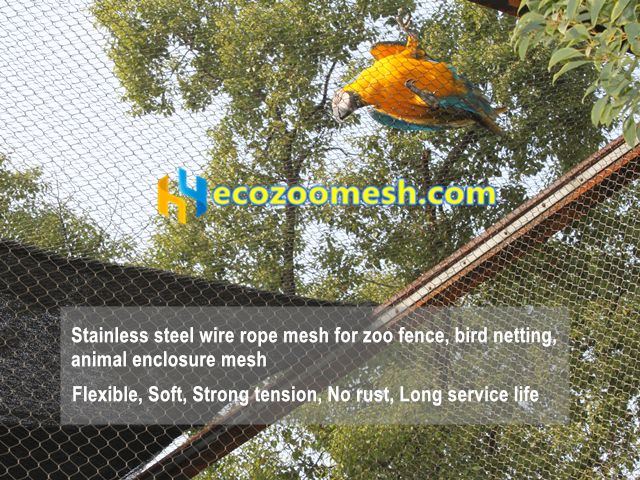
For example, Singapore Zoo’s rainforest aviary uses stainless steel animal enclosure mesh to create a 30-meter-tall “floating” habitat. The mesh is nearly invisible from a distance, allowing visitors to feel like they’re walking through a tropical forest while keeping over 200 bird species safely contained.

2. Stainless Steel Cable Mesh: The Gold Standard for Zoo Fence Mesh
When it comes to durability, safety, and versatility, stainless steel cable mesh is unmatched by other zoo animal fence mesh materials. Let’s break down its key advantages:
2.1 Unrivaled Durability & Corrosion Resistance
Stainless steel cable mesh is crafted from high-grade 304 or 316L stainless steel. 304 grade offers excellent resistance to rust and corrosion in most environments, with a lifespan of 30+ years. 316L grade includes molybdenum, making it ideal for coastal zoos or humid tropical environments— it can withstand saltwater exposure and high humidity for 50+ years without degradation.
Unlike iron wire mesh (which rusts within 2-3 years) or nylon nets (which tear easily), stainless steel zoo fence mesh requires minimal replacement, reducing long-term costs for zoos.
2.2 Animal Welfare-Centric Design
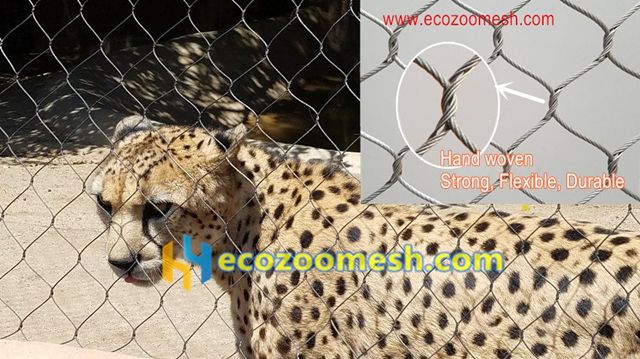
Animal enclosure mesh must prioritize creature safety. Stainless steel cable mesh features smooth, rounded edges that eliminate the risk of cuts or abrasions— critical for animals that climb, rub, or collide with barriers (like primates, big cats, and bears).
Mesh size is customizable to match animal needs:
0.8”x0.8” to 1.5”x1.5”: Ideal for small birds, reptiles, or rodents (prevents escapes and predator intrusion)
1.5”x1.5” to 3”x3”: Perfect for primates, foxes, or medium-sized mammals (prevents limb entrapment)
2”x2” to 4”x4”: Suitable for large predators (tigers, lions, bears) or herbivores (giraffes, zebras)

2.3 Exceptional Visibility & Aesthetics
Visitors come to zoos to connect with wildlife— opaque or unsightly barriers ruin this experience. Stainless steel cable mesh offers 90%+ transparency, allowing unobstructed views of animals. It can also be custom colors (black and nature color) to blend into natural surroundings.
Berlin Zoo’s gorilla enclosure uses black-coated stainless steel animal enclosure mesh that mimics tree bark, creating a seamless transition between the habitat and the viewing area. Visitors can observe gorillas’ natural behaviors without feeling separated by a harsh barrier.
3. Comparing Zoo Animal Fence Mesh Materials: Why Stainless Steel Wins
Not all zoo fence mesh options are created equal. Let’s compare stainless steel cable mesh to common alternatives:
|
Material |
Durability |
Animal Safety |
Visibility |
Cost-Effectiveness |
|
Stainless Steel Cable Mesh |
30-50+ years |
Excellent (smooth edges) |
90%+ transparent |
High upfront, low long-term |
|
Iron Wire Mesh |
2-3 years |
Poor (sharp edges, rust) |
60-70% transparent |
Low upfront, high replacement costs |
|
Nylon Netting |
1-2 years |
Moderate (tears easily) |
85% transparent |
Low upfront, frequent replacement |
|
Aluminum Mesh |
5-10 years |
Good (soft edges) |
80% transparent |
Medium upfront, moderate replacement costs |
Stainless steel cable mesh outperforms competitors in every category, making it the most reliable choice for long-term zoo enclosure projects.
 |
4. Key Considerations for Choosing Animal Enclosure MeshSelecting the right zoo animal fence mesh requires careful planning. Here are critical factors to consider: 4.1 Animal Species & BehaviorDifferent animals have unique needs. For example: Primates: Require flexible, chew-resistant mesh (7x19 wire structure) that supports climbing Large Predators: Need high-tensile mesh (600+ MPa strength) to withstand impact Birds: Demand ultra-fine mesh to prevent feather damage and escapes Burrowing Animals: Require underground dig barriers (90cm wide, 15-30cm deep) |
4.2 Environmental Conditions
Coastal zoos need 316L stainless steel mesh to resist saltwater corrosion. Tropical sanctuaries benefit from UV-resistant coatings to prevent degradation from intense sunlight. Cold climates require mesh that can withstand freezing temperatures without becoming brittle.
4.3 Enclosure Size & Shape
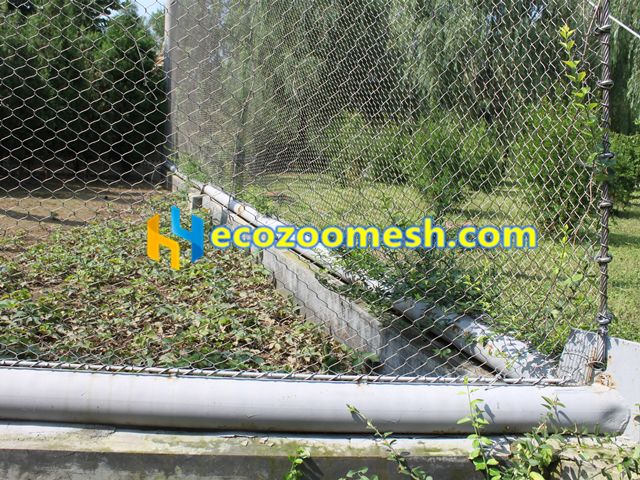
Large enclosures (like savanna habitats) need mesh with wide spans to minimize posts. Curved enclosures require flexible, hand-woven stainless steel cable mesh that can adapt to non-linear designs. Aviaries often use lightweight mesh to reduce structural load.
5. Professional Installation Tips for Zoo Fence Mesh
Proper installation is critical to the performance of animal enclosure mesh. Follow these best practices:
5.1 Pre-Installation Planning
Conduct a site survey to measure perimeter, terrain, and potential obstacles
Consult with a wildlife enclosure specialist to determine mesh size, wire gauge, and post spacing
Obtain necessary permits (many regions require approval for zoo enclosure modifications)
5.2 Post Installation
Use galvanized steel or concrete posts for maximum stability
Space posts 8-10 meters apart (closer for large predators)
Anchor posts 1.5-2 meters deep in concrete to prevent tipping
5.3 Mesh Installation
Use tension wires to ensure the mesh is tight and sag-free
Secure mesh with stainless steel fasteners (avoid rust-prone hardware)
Overlap mesh panels by 10-15cm to eliminate gaps
Install underground dig barriers for burrowing animals
5.4 Post-Installation Inspection
Test mesh tension by applying pressure (it should not stretch or sag)
Check for sharp edges or loose fasteners
Monitor the enclosure for 2-3 weeks to ensure no escape points develop

6. Maintenance & Longevity of Stainless Steel Cable Mesh
One of the biggest advantages of stainless steel zoo fence mesh is its low maintenance requirements:
Regular Inspections: Check for loose fasteners, damage from animal activity, or corrosion (quarterly for inland zoos, bi-monthly for coastal facilities)
Cleaning: Rinse mesh with water to remove animal waste or debris (no harsh chemicals needed)
Repairs: Address small tears or loose wires immediately to prevent larger issues
7. Choosing the Right Supplier for Zoo Animal Fence Mesh
Not all stainless steel cable mesh suppliers are equipped to handle zoo projects. We have these key qualities:
Specialization in Animal Enclosures: Ecozoomesh factory is a supplier with experience designing mesh for zoos
Customization Capabilities: We can tailor mesh size, wire gauge, and color to your needs
Quality Certifications: Verify compliance with international standards (e.g., ISO 9001, ASTM A480)
Technical Support: We can offer installation guidance and post-sales maintenance advice
Eco-Friendly Practices: Our zoo mesh is is environmentally friendly
Zoo animal fence mesh is a critical investment that impacts animal welfare, visitor safety, and the long-term success of your facility. Stainless steel cable mesh offers unmatched durability, safety, and aesthetics, making it the ideal choice for modern zoos, wildlife parks, and sanctuaries.
By prioritizing quality materials, professional installation, and regular maintenance, you can create enclosures that protect animals and visitors while delivering immersive, naturalistic experiences. Whether you’re building a new habitat or upgrading an existing one, stainless steel animal enclosure mesh is a reliable, sustainable solution that stands the test of time.
Remember, the right zoo fence mesh isn’t just a barrier— it’s a bridge between humans and wildlife, fostering connection and conservation for generations to come.