

Beyond Bars: How Stainless Steel Rope Mesh Creates Safer, More Natural Gorilla Enclosures
Why Gorillas Need Specialized Enclosure Mesh
Gorillas are among the strongest primates on earth. An adult male silverback can weigh over 200 kilograms. It can exert tremendous force with its hands and arms. Standard fencing materials simply cannot hold up. Zoos and wildlife parks around the world face a critical challenge. They need barriers that are safe for the animals, visually appealing for visitors, and built to last for decades.
Stainless steel rope mesh solves all of these problems in one product.
This material is hand-woven from high-tensile stainless steel wire ropes. It creates a flexible yet extremely strong enclosure barrier. More and more zoos are switching to this solution. And for good reason. Let us explore why stainless steel rope mesh is the ideal choice for gorilla enclosures.
What Is Stainless Steel Rope Mesh?
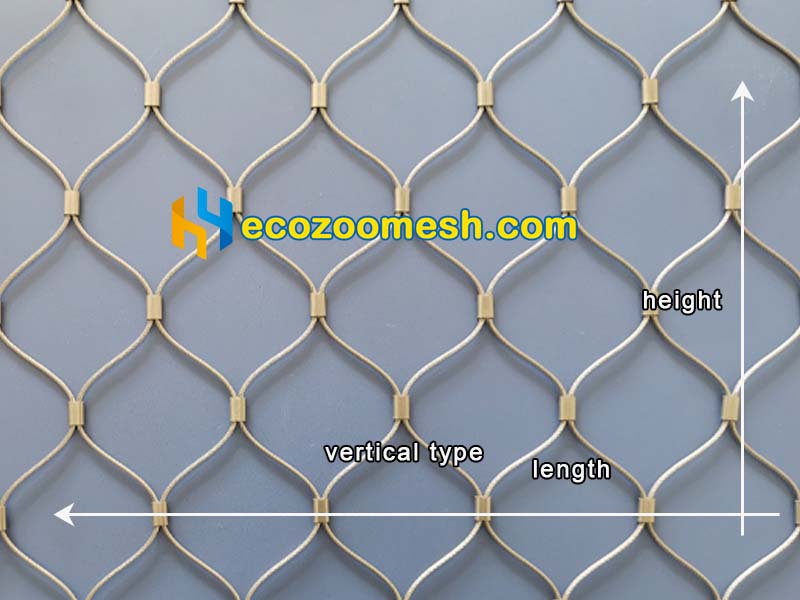
Stainless steel rope mesh is a type of woven wire fabric. It is made by hand-weaving stainless steel cables into a rhombus-shaped net structure. Each intersection is knotted by hand. This creates a uniform and stable panel. No joints, no weak points, and no sharp edges.
The base material is AISI 304 or AISI 316 stainless steel. These grades offer excellent corrosion resistance. The wire ropes are typically constructed in two forms. The 7x7 structure is used for thinner diameters like 2.4 mm. The 7x19 structure is used for thicker diameters like 3.2 mm. Each structure consists of multiple steel strands twisted together. This gives the rope incredible tensile strength and flexibility.
The mesh is produced to order. Every panel can be cut to exact dimensions. This means zero waste on site. It also makes installation faster and simpler.
Top 6 Benefits of Stainless Steel Rope Mesh for Gorillas
1. Unmatched Strength
A full-grown gorilla can generate forces that would easily bend or break traditional fencing. Stainless steel rope mesh with a 3.2 mm diameter and 51 mm aperture has a minimum breaking load of 7.82 KN. That is more than enough to contain even the most determined silverback. The hand-woven knot design distributes impact forces across the entire panel. This prevents localized failure.
2. Animal Welfare Comes First
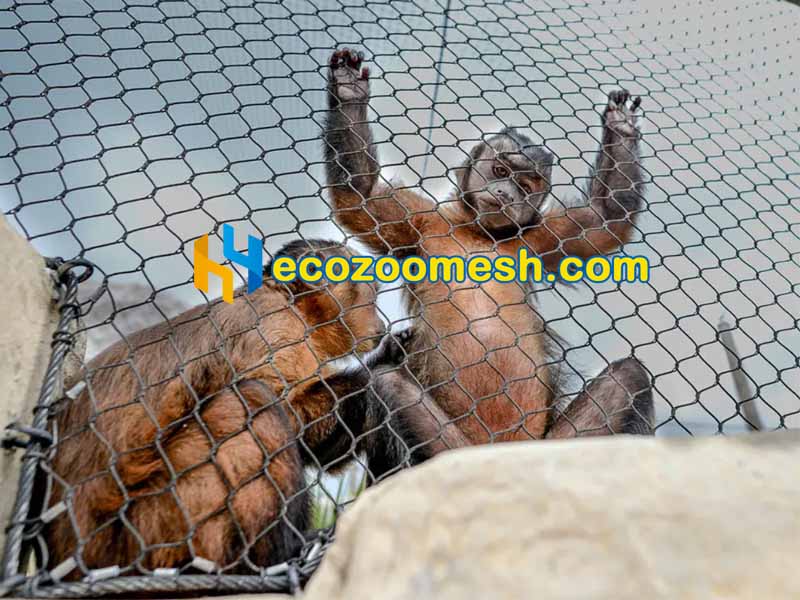
Gorillas are highly intelligent animals. They deserve enclosures that support their well-being. Rope mesh is a soft barrier. Unlike rigid metal bars or welded wire, it does not cause injury when animals climb or push against it. The smooth surface of the stainless steel cables protects fur and skin. This is especially important for primates that spend time interacting with enclosure walls.
3. Full Transparency and Natural Aesthetics
Visitors come to zoos to see animals up close. Thick bars and heavy mesh ruin that experience. Stainless steel rope mesh offers over 90% open area. The thin cables are barely visible from a distance. This creates an immersive viewing experience. It also makes the enclosure feel more like a natural habitat. The animals are less stressed. The visitors are more engaged. Everyone wins.
4. Weatherproof and Corrosion-Resistant
Zoo enclosures face constant exposure to sun, rain, snow, and humidity. Inferior materials rust and degrade within a few years. AISI 316 stainless steel rope mesh resists all of this. It is completely UV-stable. No rust, no peeling, no fading. Even in coastal or tropical environments, the mesh maintains its integrity for over three decades.
5. Low Maintenance, High Value
Once installed, stainless steel rope mesh requires almost no upkeep. There are no coatings to reapply. No rust to scrape. No broken welds to repair. The initial investment pays off quickly. Over a 30-year service life, the total cost of ownership is far lower than galvanized or vinyl-coated alternatives.
6. Flexible Design for Any Enclosure Shape
Gorilla exhibits come in many forms. Open-air habitats, indoor viewing halls, connecting tunnels, and multi-level climbing structures. Rope mesh adapts to all of them. It can be curved, angled, or tensioned into complex shapes. This design freedom allows architects to build creative and enriching spaces for the animals.

Key Specifications for Gorilla Enclosure Mesh
Choosing the right specification depends on several factors. The size and strength of the gorillas matter most. The mesh aperture must be small enough to prevent hands from getting through. The rope diameter must be thick enough to resist brute force.
Below are the most commonly used specifications for gorilla enclosures.
|
Specification |
Rope Diameter |
Mesh Aperture |
Recommended Use |
|
Heavy-Duty |
3.2 mm (1/8") |
51 x 51 mm (2"x2") |
Silverback enclosures, high-impact zones |
|
Standard |
3.2 mm (1/8") |
60 x 60 mm (2.4"x2.4") |
General gorilla habitat fencing |
|
Wide-View |
3.2 mm (1/8") |
76 x 76 mm (3"x3") |
Large exhibits, overhead netting |
|
Lighter Use |
2.4 mm (3/32") |
51 x 51 mm (2"x2") |
Smaller primates, secondary barriers |
Both AISI 304 and AISI 316 grades are available. For outdoor enclosures in coastal or high-humidity regions, AISI 316 is strongly recommended. It contains molybdenum, which provides superior resistance to saltwater and chemical corrosion.
Black oxide-coated stainless steel rope mesh is also an option. The coating further improves corrosion resistance. It also reduces light reflection. This creates a more natural look and less visual disturbance for the animals.
How Stainless Steel Rope Mesh Compares to Traditional Materials
Many zoos still use older materials. Here is how rope mesh stacks up.
Galvanized chain-link mesh: Cheap upfront, but rusts within 5 to 10 years. Sharp edges can injure animals. Poor visibility for visitors. Not recommended for great apes.
Welded wire panels: Stiff and hard to shape. Welds crack under repeated impact. Corrosion at weld points is a common failure. Limited lifespan of 8 to 15 years.
Glass barriers: Excellent visibility, but extremely expensive. Requires constant cleaning. Can cause heat buildup and reflection issues. Not practical for large outdoor habitats.
Stainless steel rope mesh: Combines strength, flexibility, and visibility. Lasts 30+ years with no maintenance. Adapts to any enclosure design. This is why it has become the preferred choice for world-class zoos.
Installation Best Practices
Proper installation ensures maximum performance and safety. Here are the key steps.
Step 1 — Structural Frame: The mesh must be attached to a strong frame. Stainless steel or galvanized steel posts and beams work well. The frame must be designed to handle tension loads from the mesh.
Step 2 — Custom Panel Sizing: Order each panel to the exact dimensions of your frame sections. This eliminates cutting on site. It also ensures clean, straight edges and proper tension.
Step 3 — Tensioning: Attach the mesh using stainless steel tensioning hardware. Apply even tension across the entire panel. Properly tensioned mesh will not sag over time. It also performs better under impact.
Step 4 — Edge Finishing: All edges should be secured with compression fittings or lacing wire. This prevents unraveling and creates a clean, professional appearance.
Step 5 — Inspection: After installation, inspect every knot and connection point. Ensure all hardware is tight and all panels are properly aligned.
Professional installation is recommended for large-scale projects. However, the system is simple enough for experienced zoo maintenance teams to handle with proper guidance.
Real-World Applications
Stainless steel rope mesh is already in use at zoos across the globe. Here are some common applications.
Outdoor gorilla habitats:
Full perimeter fencing that blends into the natural landscape.
Indoor viewing halls:
Transparent barriers that separate animals from visitors without visual obstruction.
Overhead netting:
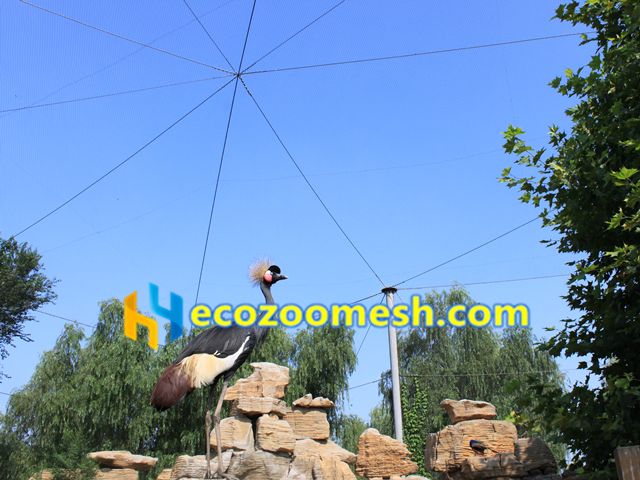
Prevents escape from open-top enclosures while allowing natural sunlight.
Connecting tunnels:
Flexible mesh tunnels that let gorillas move between different areas of the exhibit.
Climbing structures:
Rope mesh panels integrated into enrichment structures for physical activity.
Each of these applications benefits from the same core properties. Strength, flexibility, weather resistance, and animal safety.

How to Order the Right Mesh for Your Project
Every gorilla enclosure project is unique. Off-the-shelf products rarely fit perfectly. That is why custom manufacturing is the standard for zoo mesh. Here is what you need to prepare before placing an order.
First, determine your material grade. AISI 304 works for most inland locations. AISI 316 is better for coastal or tropical climates.
Second, choose your specification. For adult gorilla enclosures, the 3.2 mm rope diameter is standard. The mesh aperture depends on your safety requirements and budget. A 51 mm x 51 mm aperture offers maximum security. A 76 mm x 76 mm aperture provides a more open view and costs less per square meter.
Third, measure your frame sections carefully. Provide a detailed layout drawing. This allows the factory to produce each panel to your exact specifications.
Fourth, confirm your quantity and lead time. Custom mesh production typically takes 2 to 4 weeks. Plan accordingly to avoid project delays.
Finally, ask for samples. A reputable manufacturer will provide free samples for your evaluation. Test the material yourself. Check the weave quality, the rope finish, and the overall feel of the mesh.
Ready to start your gorilla enclosure project? Contact us today for a free consultation and quote. We supply premium hand-woven stainless steel rope mesh to zoos and wildlife parks worldwide. Custom sizes, competitive factory-direct pricing, and expert support from design to delivery. Send us your project details and let us help you build a safe, beautiful, and long-lasting habitat for your gorillas.
Frequently Asked Questions
Q: Can gorillas bite through stainless steel rope mesh? A: No. Stainless steel wire rope is bite-resistant. The 7x19 strand construction is far too tough for primate teeth to sever.
Q: How long does the mesh last outdoors? A: With AISI 316 material, the mesh lasts 30 years or more with zero maintenance. AISI 304 lasts 25+ years in non-coastal environments.
Q: Is the mesh safe for baby gorillas? A: Yes. The smooth cable surface and uniform aperture size ensure that even young gorillas cannot get stuck or injured. For enclosures housing infants, a smaller aperture like 51 mm x 51 mm is recommended.
Q: Can the mesh be installed on curved frames? A: Absolutely. The flexibility of hand-woven rope mesh allows it to follow curved, domed, or irregularly shaped frames with ease.
Q: What is the minimum order quantity? A: Most manufacturers accept small orders for test projects. However, custom panel production is more cost-effective at scale. Contact us with your project size for a tailored quote.
Building a gorilla enclosure is a serious responsibility. The safety of the animals, the experience of visitors, and the long-term maintenance costs all depend on choosing the right materials. Stainless steel rope mesh delivers on every front. It is strong enough to contain the most powerful primates. It is safe enough to protect their well-being. It is transparent enough to create unforgettable visitor moments. And it lasts for decades without ongoing costs.
If you are planning a new gorilla exhibit or upgrading an existing one, stainless steel rope mesh should be at the top of your list.
Take the next step. Reach out to our team for a project consultation. We will help you choose the right specification, prepare your panel layout, and deliver a solution that exceeds your expectations. Your gorillas deserve the best. Let us help you build it.